Friends and fellow citizens of this remarkable experiment called America,
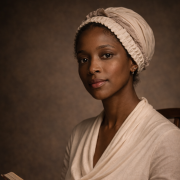
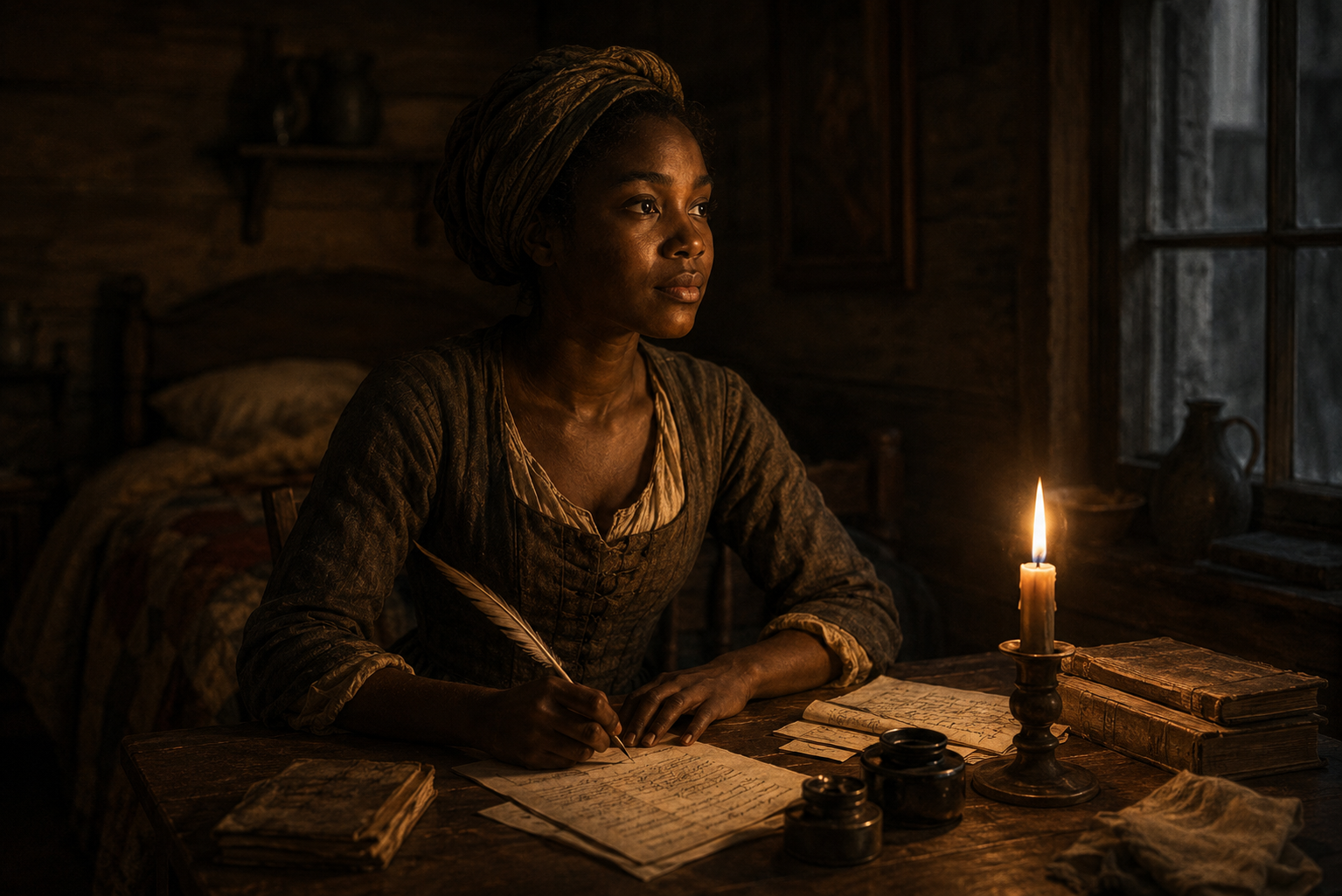
I am Phillis Wheatley, born in West Africa, stolen as a child, and brought in chains to Boston in 1761. I was purchased by John and Susanna Wheatley, who gave me their name and, unlike so many others in bondage, gave me also the tools of language and learning. By the grace of God and my own determination, I became the first African American to publish a book of poetry, in 1773, a feat many thought impossible for one of my race and condition.
I choose today to share with you my poem “On Being Brought from Africa to America,” for it speaks to the complexities that have always defined this nation’s soul:
On Being Brought from Africa to America
‘Twas mercy brought me from my Pagan land,
Taught my benighted soul to understand
That there’s a God, that there’s a Saviour too:
Once I redemption neither sought nor knew.
Some view our sable race with scornful eye,
“Their colour is a diabolic die.”
Remember, Christians, Negros, black as Cain,
May be refin’d, and join th’ angelic train.
Why This Poem, Why This Moment
I have chosen these eight lines not because they are simple, but because they are complicated, as America herself has always been complicated.
This poem has been debated for two and a half centuries. Some have called me grateful for my own enslavement. Others recognize what I was truly doing: speaking to white Christians in their own language, using their own theology, to deliver a radical message they could not easily dismiss. When I wrote “Remember, Christians; that was a command. When I declared that those with skin “black as Cain” could join the “angelic train,” I was asserting our full humanity in terms my audience could not refute without abandoning their own faith.
I learned young that power lies not only in what you say, but in how you say it, and to whom.
How History Has Unfolded
From my vantage point among the spirits, I have watched two and a half centuries unfold with both sorrow and hope.
I have witnessed:
The Constitution ratified without abolishing the institution that held my brothers and sisters in bondage, a compromise that would cost 600,000 lives to undo.
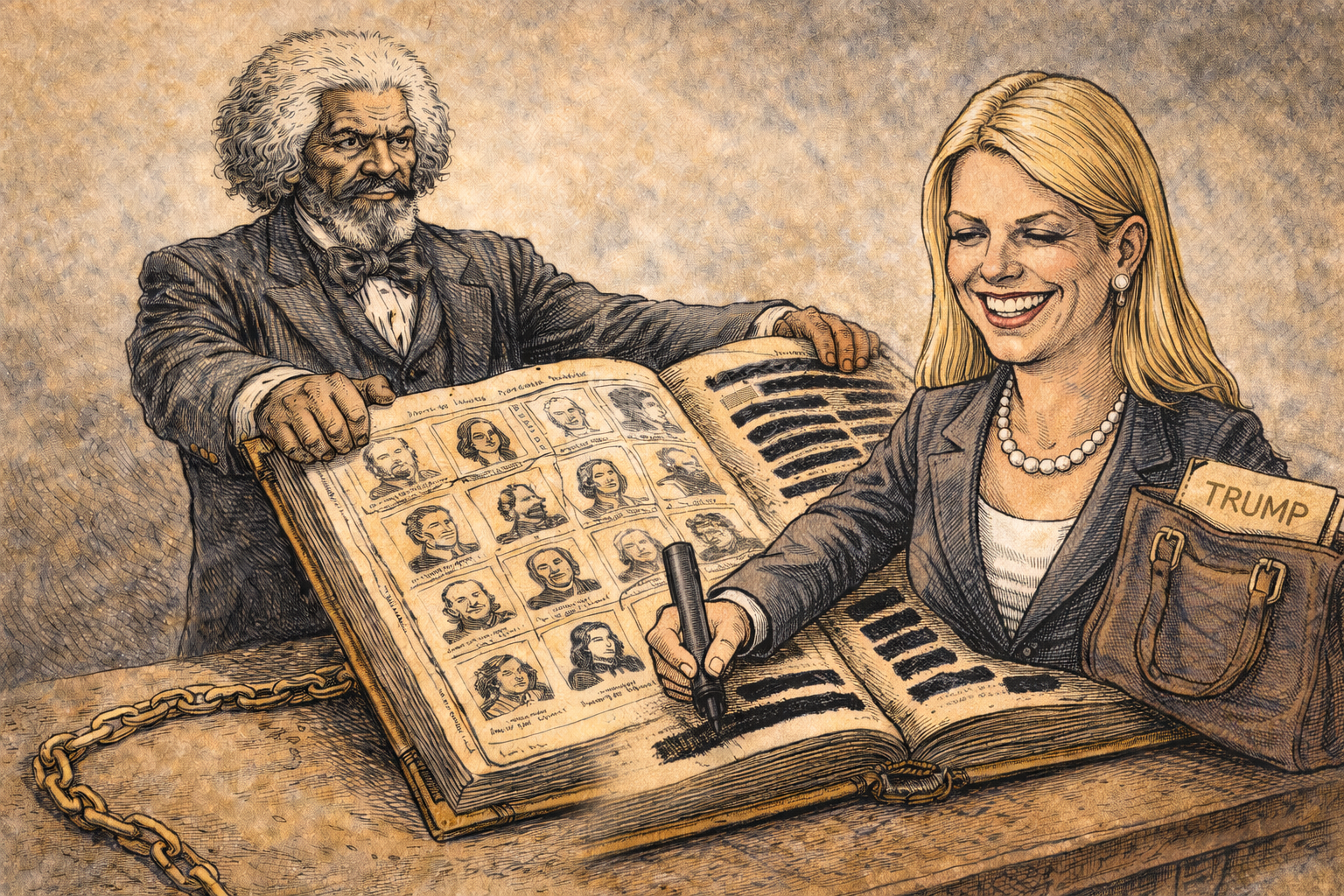
Frederick Douglass taking up the pen as I once did, asking “What to the Slave is the Fourth of July?”, is a question that still demands answering.
The long night of Jim Crow, when the promises of Reconstruction were betrayed and my people were told freedom was theirs in name only.
The courage of those who sat at lunch counters, marched across bridges, and died for the right to vote.
A Black man taking the oath of office as President is something I could scarcely have imagined, yet somehow always believed possible.
And I have watched, too, as the struggle continues , as each generation must fight again for what the previous generation thought was won.
Why I Join These Spirits
You may wonder why I stand alongside the Founders, men who spoke of liberty while many owned human beings as property. Washington, Jefferson, Madison, slaveholders all.
I join them not to excuse their failures, but to complete their vision.
The Declaration spoke of truths “self-evident”, yet those truths were not evident enough to include my people, or the indigenous peoples of this land, or women of any color. The Constitution spoke of “We the People”, yet defined some of us as three-fifths of a person.
I am here to remind America that her ideals have always exceeded her practice. That the work of forming “a more perfect union” is never finished. That the voices left out of the original conversation must now be heard.
Benjamin Franklin welcomed me to his home in Philadelphia. He saw my humanity when many would not. General Washington received my poem honoring him and responded with graciousness. These men were capable of both great vision and great moral blindness, as all humans are.
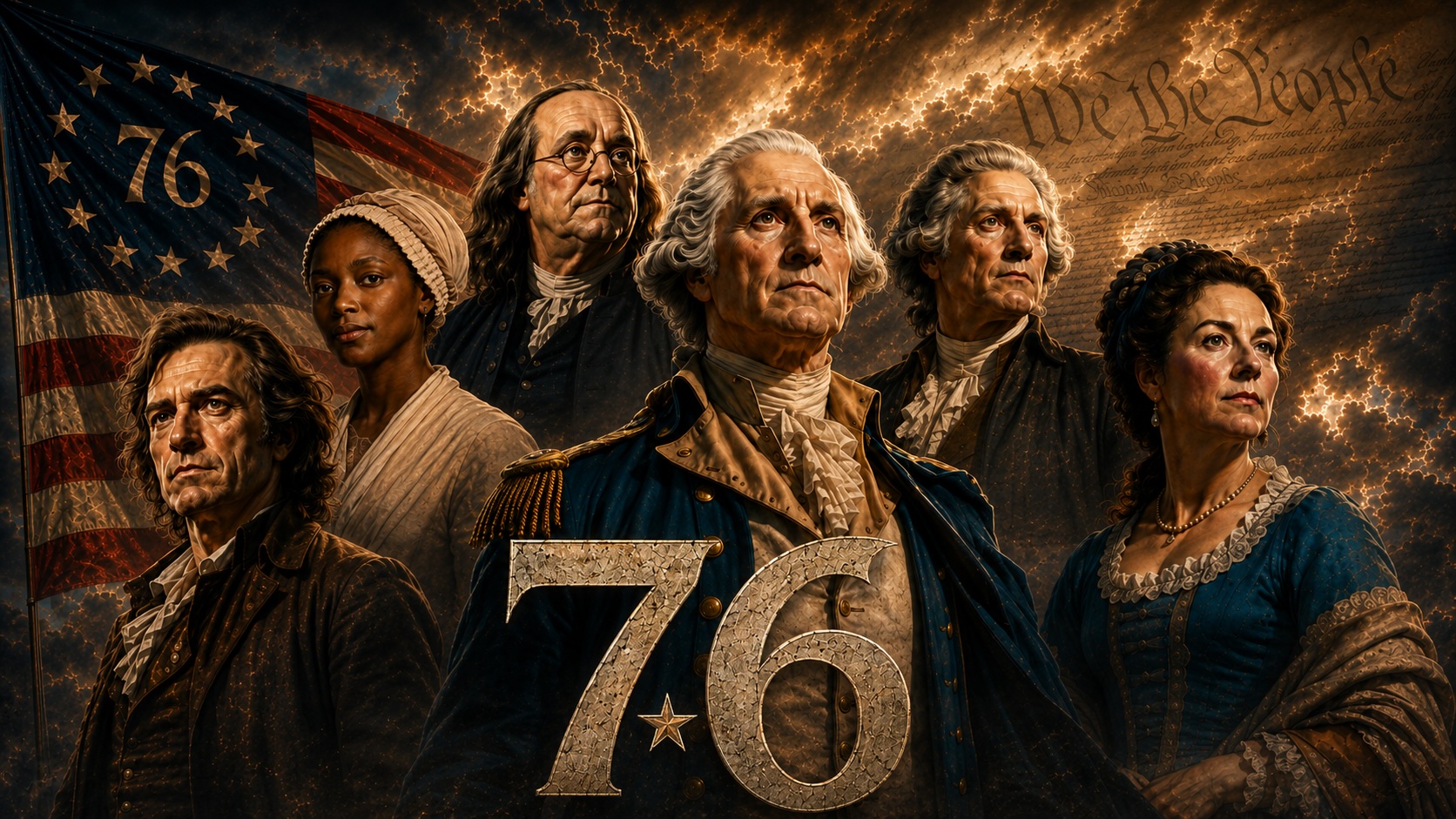
I join the 76 Spirits because this project dares to do what I attempted in my own work: to speak difficult truths in ways that invite reflection rather than rejection. To remind Americans that their founding ideals; liberty, equality, the pursuit of happiness, belong to everyone or they belong to no one.
My Hope for This Endeavor
As you prepare to celebrate 250 years of American independence, I ask you to hold two truths together:
This nation was founded on principles that were revolutionary and beautiful.
This nation has never fully lived up to those principles.
Both are true. Both must be remembered.
The 76 Spirits gather not to worship the past, but to wrestle with it , to ask what the founders got right, what they got terribly wrong, and what their words might mean for the challenges you face today.
I was a poet who found freedom in language even while my body remained in bondage. I believed that words could change minds, and changed minds could change laws, and changed laws could change lives.
I still believe it.
Let us begin.
Phillis Wheatley Boston, 1773– and Beyond


Leave a Reply
You must be logged in to post a comment.